SITE CURRENTLY UNDER REVISION. Some information on this website may be outdated and no longer accurate. We’re currently updating our content to better reflect the current situation. Thank you for your understanding.


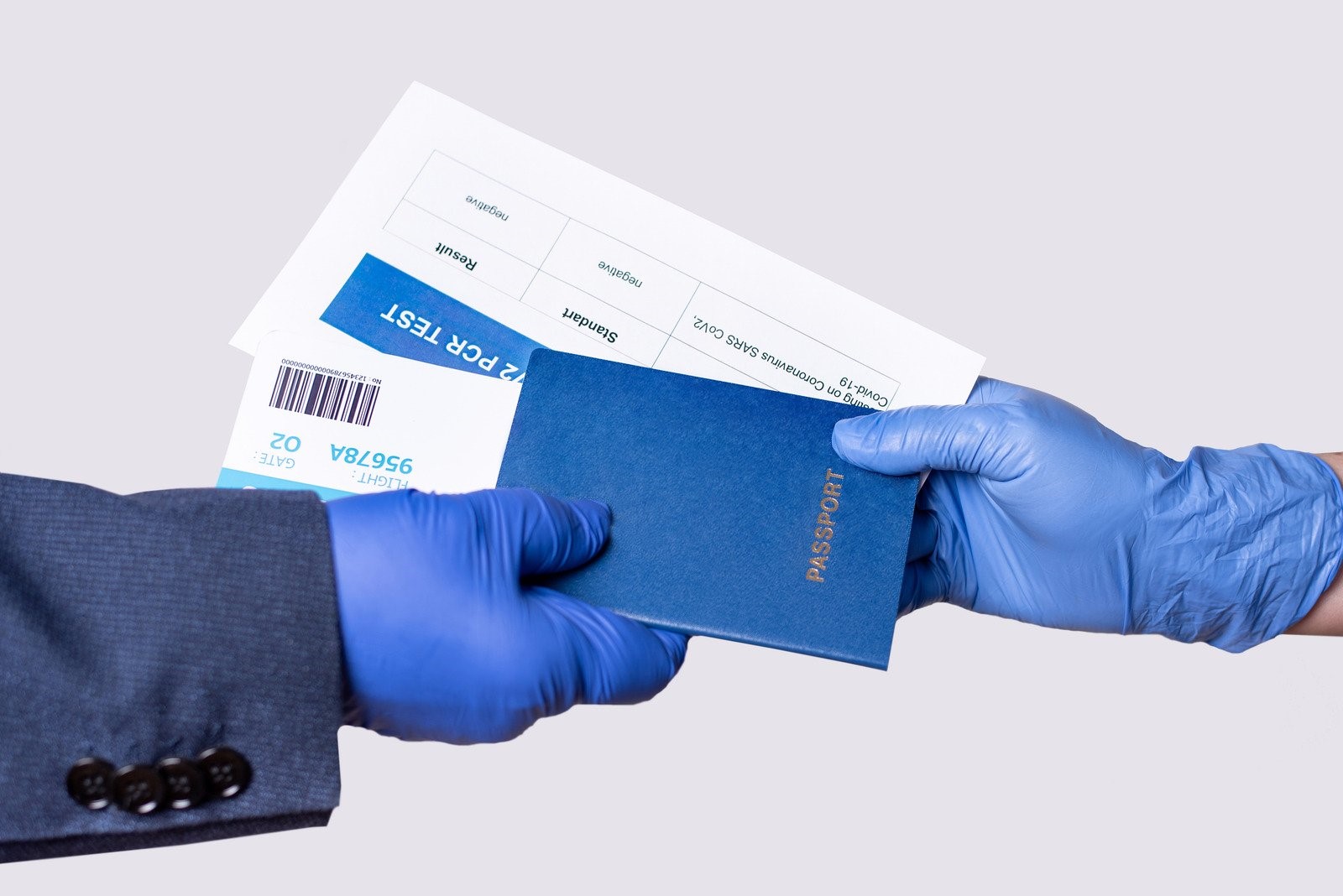
To travel abroad, you must have valid travel documents. Depending on your status, your destination and the length of your stay, you may need a travel document, your Belgian residence permit and, in some cases, a visa. Other documents may also be required depending on the country you are travelling to.
Recognised refugees residing in Belgium can apply for a refugee travel document, which replaces the national passport that they cannot use. Persons recognised as stateless in Belgium can also apply for a Belgian travel document.
The refugee travel document is commonly known as the “Blue Passport”. It allows you to travel abroad, but it does not automatically allow you to enter every country without a visa.
Each family member who is recognised as a refugee must have their own travel document, including children. For children under the age of 12, an identity certificate for foreign children is also required when applying for the travel document.
Important: Recognised refugees should travel with the travel document issued by the country that grants them protection. They should not use a national passport issued by their country of origin.
You must apply in person at the municipality (commune/gemeente) where you live.
If you are a recognised refugee or stateless person, you can apply directly at your municipality. You will usually need:
If your status and documents are in order, the municipality can register your application. Normal, urgent and very urgent procedures are available.
The price depends on the procedure and the municipality, as municipalities may add a local fee to the production cost. It is therefore advisable to check the current price and processing time with your municipality before applying.
Note: If you are neither a recognised refugee nor a stateless person, you are normally expected to use or apply for a passport from the authorities of your country. However, in certain exceptional situations, it is possible to apply for a Belgian travel document for foreigners. Prior authorisation from the Belgian Federal Public Service Foreign Affairs is then required.
With a valid Belgian refugee travel document and a valid Belgian residence permit, you can in principle make short trips to other countries in the Schengen Area, subject to the applicable conditions.
The Schengen Area currently includes: Austria, Belgium, Bulgaria, Croatia, Czech Republic, Denmark, Estonia, Finland, France, Germany, Greece, Hungary, Iceland, Italy, Latvia, Liechtenstein, Lithuania, Luxembourg, Malta, the Netherlands, Norway, Poland, Portugal, Romania, Slovakia, Slovenia, Spain, Sweden and Switzerland.
For short stays, the general rule in the Schengen Area is a maximum of 90 days within any 180-day period.
Important: Your Belgian residence permit and travel document must remain valid during your trip. The conditions that apply may also depend on your individual situation.
Having a Belgian refugee travel document does not mean that you can travel visa-free everywhere in the world.
Each country decides whether it recognises refugee travel documents and whether holders of these documents need a visa. These rules may change.
Before booking your trip, check with the embassy or consulate of the country you are travelling to:
You should also check the requirements of any country where you have a stopover, as you may sometimes need a transit visa.
If you have been recognised as a refugee, travelling to your country of origin may have consequences for your protection status. Refugee status is based, among other things, on the fact that you cannot or do not wish to seek the protection of your country of origin.
Before considering such a trip, it is therefore strongly recommended that you seek advice from a lawyer specialised in immigration and asylum law.