SITE CURRENTLY UNDER REVISION. Some information on this website may be outdated and no longer accurate. We’re currently updating our content to better reflect the current situation. Thank you for your understanding.


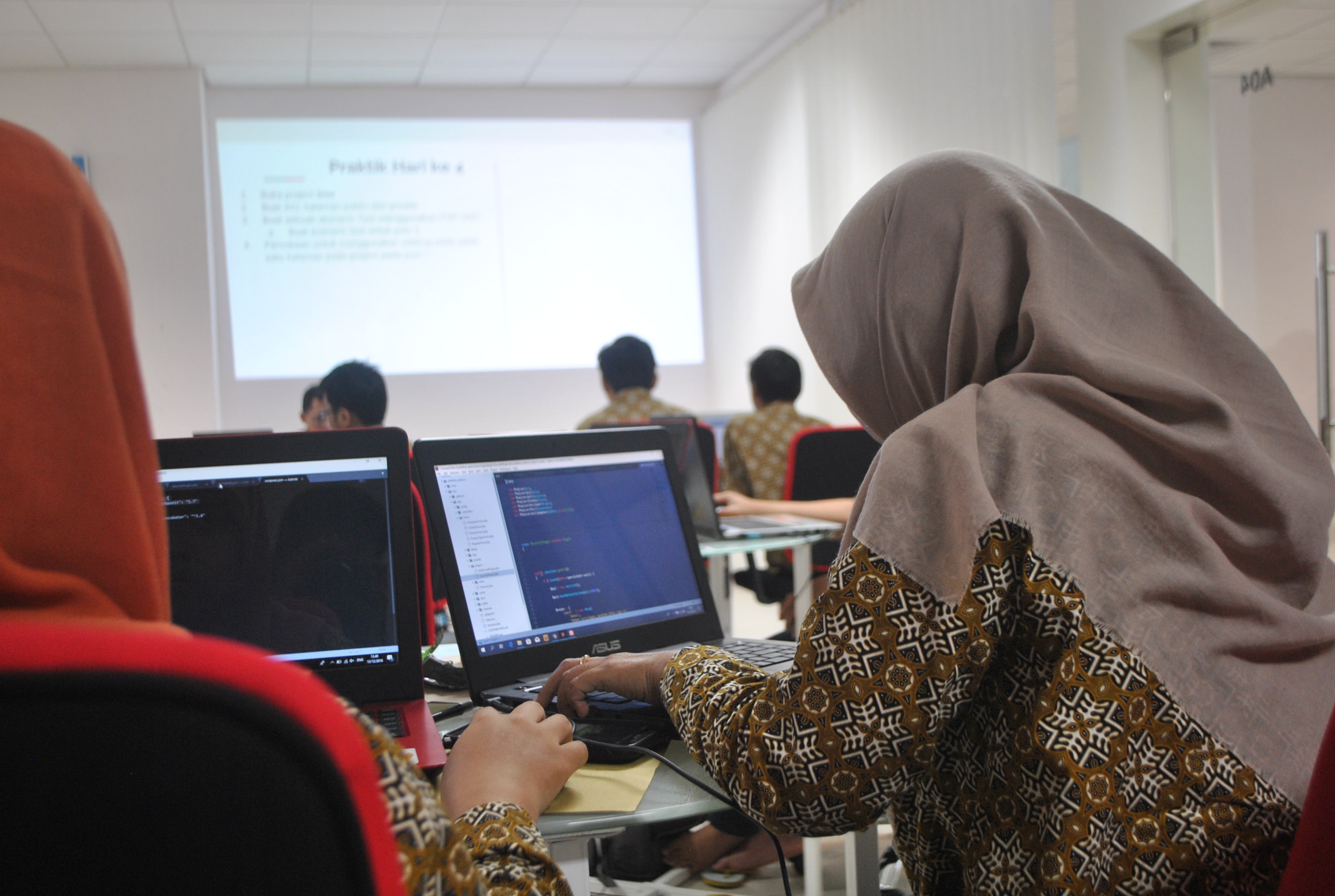
The integration programme, also known as inburgering in Dutch, helps newly arrived people in Belgium acquire essential knowledge about life and how society functions in Belgium. It aims to help people become more independent and facilitate their social, professional and civic integration.
The content and conditions for accessing an integration programme vary depending on the Region where you live.
The programme may cover topics such as rights and responsibilities, housing, healthcare, employment, education, public services, social security, everyday life, and the norms and values of Belgian society. Language courses and individual support towards employment or further education may also be offered.
The conditions for accessing an integration programme are not the same in Brussels, Flanders and Wallonia. They depend, among other things, on your age, residence status, length of stay in Belgium and place of residence.
Applicants for international protection are therefore not automatically subject to the same rules as people who already have a residence permit.
If you are an applicant for international protection, ask your social worker, your municipality or the integration organisation in your region whether you can benefit from an integration programme or social orientation course.
Integration programmes are free of charge in all three Regions, but their content and organisation differ.
The integration programme includes:
The programme is compulsory for certain categories of newly arrived people and remains accessible to other people who wish to take part. The Regional Integration Centres (CRI) are responsible for welcoming and supporting participants. (wallonie.be)
The integration programme includes, among other things, a social orientation course, individual support and Dutch-language courses. The social orientation course covers life, work and the functioning of Belgian and Brussels society and generally lasts around 60 hours.
The programme is free of charge and is compulsory for certain categories of newcomers. The conditions for access depend, among other things, on your residence status and personal situation. (bon.be)
You can contact Bon or a BAPA (Bureau d'Accueil pour Primo-Arrivants), such as BAPA BXL, to find out whether you are eligible.
The integration programme (inburgering) includes, among other things:
Whether you are required to follow an integration programme depends on your situation and residence status. The Agentschap Integratie en Inburgering, as well as Atlas in Antwerp and Amal in Ghent, organise these programmes. (vlaanderen.be)
More information:
The organisations responsible depend on where you live:
Please note: If you are an applicant for international protection, your social worker can also help you determine which courses and services are available to you.