SITE CURRENTLY UNDER REVISION. Some information on this website may be outdated and no longer accurate. We’re currently updating our content to better reflect the current situation. Thank you for your understanding.


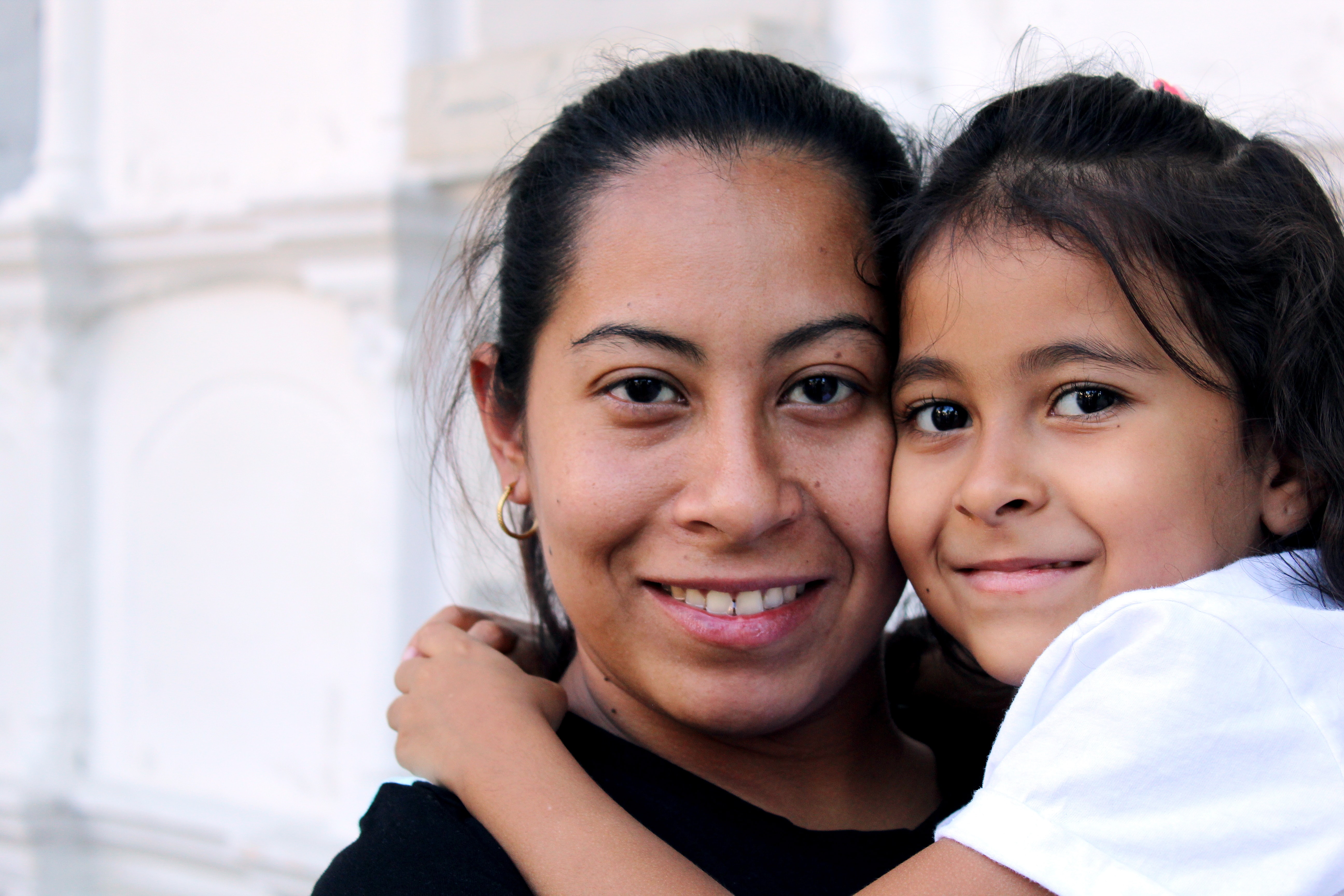
The protection of family unity is an important right. If you were separated from members of your family before or during your flight, some members of your family may have the right to join you in Belgium, subject to certain conditions. If you have been recognised as a refugee or have received subsidiary protection in Belgium, certain members of your close family may obtain the right to reside in Belgium through the family reunification procedure.
If your family members are abroad, the application must in principle be submitted to the Belgian embassy or consulate responsible for their place of residence. If your family members are already in Belgium, it may, in certain situations, be possible to apply through the municipality where they are staying.
Important: The rules on family reunification changed on 18 August 2025. Transitional provisions are currently in place. The conditions that apply may therefore depend on when you obtained your right of residence in Belgium and when the application for family reunification is submitted. It is strongly recommended to seek legal advice before applying.
Applications for family reunification are examined by the Immigration Office (Office des étrangers/Dienst Vreemdelingenzaken). The duration of the procedure varies depending on the situation and the type of application. The legal time limit may also be extended in certain circumstances.
Depending on your status and situation, family reunification may include:
Other family members do not generally have an automatic right to family reunification. In some particular circumstances, other possibilities of residence, including for humanitarian reasons, may be available.
It is advisable to start the family reunification procedure as soon as possible after obtaining international protection.
When you apply may have an important impact on the conditions you have to meet. The rules were changed in August 2025 and transitional provisions are currently in force.
Depending on the rules applicable to your situation, you may be required to prove that you have:
Exceptions may apply, particularly in certain situations involving minor children or depending on when your protection status and right of residence were granted. It is therefore important to check which rules apply specifically to your situation.
Note: The rules concerning beneficiaries of subsidiary protection are currently particularly complex. In February 2026, the Belgian Constitutional Court suspended certain provisions of the 2025 reform concerning family members abroad of people who received subsidiary protection after 18 August 2025. If this applies to you, seek specialised legal advice before submitting your application.
Before your family can come to Belgium, several conditions must be met. The documents required depend on your situation and family relationship.
You may be asked to provide:
Foreign documents may need to be legalised or apostilled and translated by a sworn translator. Requirements vary according to the country and the type of document.
If you cannot obtain certain official documents because of your situation, this does not necessarily mean that family reunification is impossible. Ask a lawyer or specialised organisation whether other evidence can be used to establish your family relationship.
In principle, your family member must apply for a long-stay visa (visa D) for family reunification at the Belgian embassy or consulate responsible for their place of residence.
In some countries, applications are submitted through an external visa application centre.
The application is then examined by the Immigration Office. If it is approved, the visa allows your family member to travel to Belgium to join you.
If your family member is already legally staying in Belgium, it may be possible, in certain situations, to submit the application to the municipality where they live.
This possibility does not apply in every situation. It is therefore advisable to check with the municipality, a lawyer or a specialised organisation before starting the procedure.
Family reunification can be a long, complex and costly procedure. It is strongly recommended to seek legal advice before submitting an application, particularly following the changes to the law introduced in August 2025.
You can ask for assistance from:
Family reunification rules also apply to same-sex couples when their marriage or partnership can be recognised under Belgian law.
In practice, LGBTQIA+ people may face particular difficulties in proving their relationship or obtaining official documents when their relationship or identity is not recognised or is criminalised in their country of origin.
If you cannot obtain a marriage certificate, register your partnership or provide certain documents because your LGBTQIA+ relationship is not recognised or because doing so would put you at risk in your country, it is particularly important to seek advice from a lawyer or specialised organisation before applying.