SITE CURRENTLY UNDER REVISION. Some information on this website may be outdated and no longer accurate. We’re currently updating our content to better reflect the current situation. Thank you for your understanding.


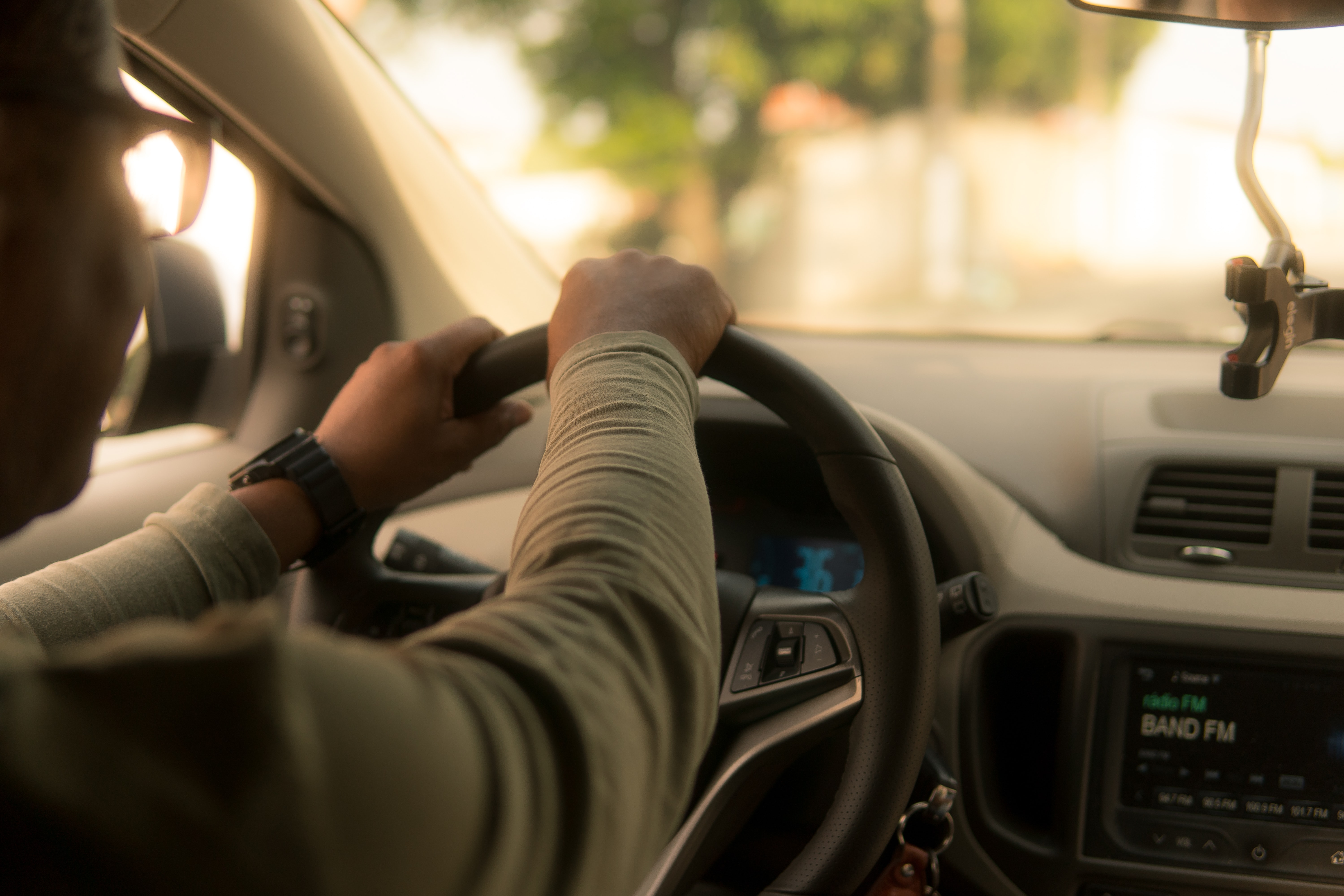
To drive a car in Belgium, you must have a valid International or Belgian driving licence. If you are recognised as a refugee or asylum and have already obtained a driving licence in your country of origin, you can use it to apply for a Belgian driving licence.
List of countries whose driving licences are recognised in Belgium can be found in following link: https://mobilit.belgium.be/nl/wegverkeer/rijbewijzen/buitenlandse_rijbewijzen/lijst_van_landen_buiten_de_europese_unie_europese
You can apply to exchange your driving licence at the municipality where you are registered.
You must have your normal residence in Belgium, meaning that you have been registered for at least 185 days during the previous 12 months, before a Belgian driving licence can be issued. If you hold an eligible non-European driving licence, you may be able to start the procedure before this period has elapsed, but the Belgian licence will only be issued once the 185-day residence requirement has been met.
You will generally need to present the following documents to your municipality:
The cost of issuing a Belgian driving licence includes a federal fee and a municipal administrative fee. The total amount varies depending on the municipality but is generally between €20 and €45.
The processing time varies depending on the municipality and on whether additional checks are required to verify your foreign driving licence. The procedure may take anywhere from a few weeks to several months.
If you do not have a driving licence or your driving licence is not recognised, you will have to obtain it in Belgium. To learn how to drive a car, you can choose between a free course with a provisional driving licence or a course at a driving school. In certain cases, training in a driving school is compulsory.
You need to take a theoretical exam in Dutch, in French or with the help of a sworn interpreter in German or English and a practical driving exam in an official examination centre.